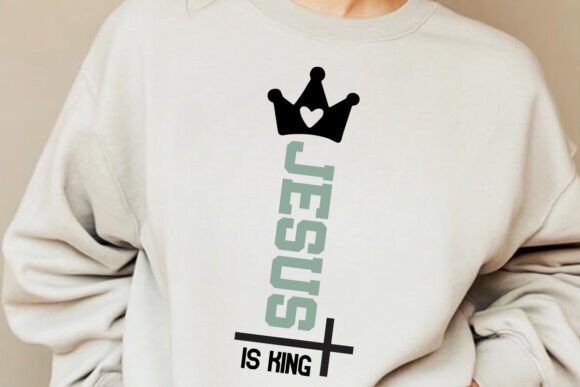
Jesus is King SVG: Real Talk for Crafters
Let's be direct about the "Jesus is King Svg, Jesus Svg" design. I've spent years behind a multi-needle machine and in front of digitizing software. I've learned that a design file is only as good as its structure, its purpose, and the plan you have for it. This SVG lands squarely in the T-Shirt Designs and Graphics categories, but as an embroidery and product specialist, my mind immediately jumps to how this translates from a digital cutting file into stitched reality. I recently took this design through its paces for a church retreat order—custom sweatshirts, tote bag designs, and a few embroidered patches. Here is my honest, experience-based breakdown of what this SVG offers and where you need to apply some crafty know-how to get a stellar finished product.
First Impressions: Layout, Message & Market Fit
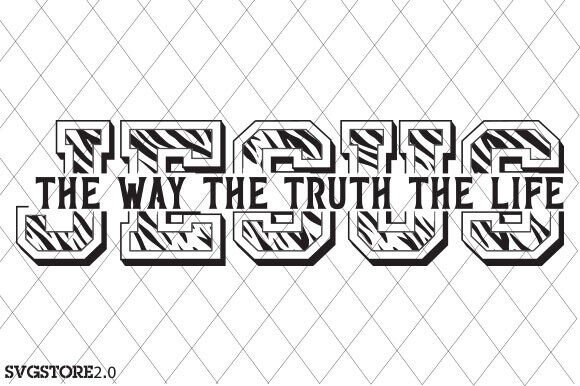
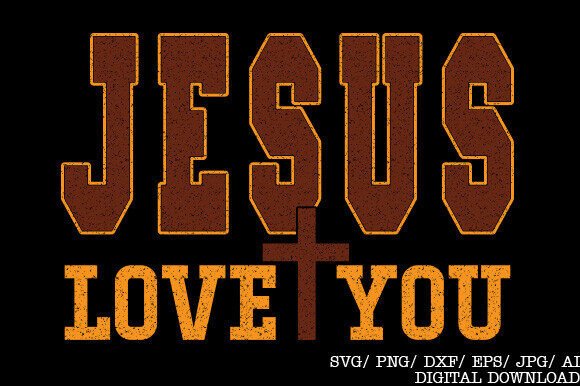
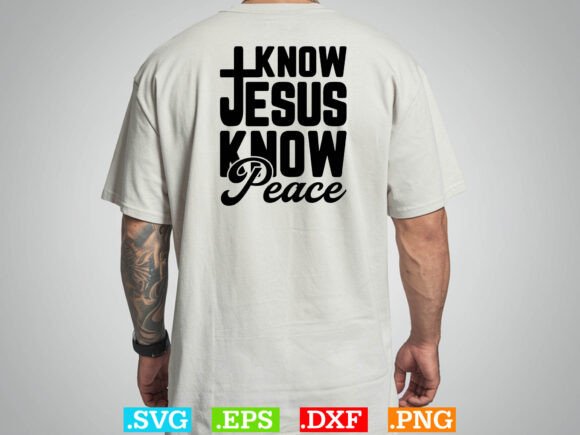
The "Jesus is King" message is timeless, but the execution in this SVG is clean and modern. The bold typography lends itself extremely well to product creation. In the Etsy seller space and handmade gift market, clarity is king. A muddy or overly intricate design is a red flag. This one avoids that trap. It offers high contrast and a layout that's naturally centered, which is perfect for custom apparel. The visual personality is confident and declarative. You can immediately see this working across a wide range of mediums: from a simple heat transfer on a toddler's onesie to a high-density embroidered patch on a denim jacket. For small shop owners and creative entrepreneurs, this is exactly the kind of versatile design asset that builds a cohesive product line.
The Embroidery Conversion Reality Check
Here is the most important paragraph you will read in this review: This is an SVG file. It is a Graphic. It is not a native machine embroidery design file (.pes, .dst, .exp). If you are looking strictly for a "digital embroidery file" to load directly onto your embroidery machine and stitch, this is not that. However, if you are a designer, a digitizer, or a small shop owner comfortable with the creative process, this SVG is an excellent source file to convert into a beautiful embroidery project. This is a common workflow for experienced crafters. You take the SVG, bring it into your digitizing software, and assign stitches. Here is where the structure matters:
- Satin Stitch Borders: The thick lines in the SVG become beautiful satin columns. Check the width—too narrow and they bury into the fabric.
- Fill Stitch Areas: Large lettering like "King" will need a stable fill stitch. Consider a tatami fill or a subtle pattern to add texture. Be mindful of stitch density to avoid puckering on stretchy fabrics.
- Applique Design Potential: For large scale production, turn the main shapes into an applique design. It saves thread, reduces weight, and looks fantastic on a tote bag design or sweatshirt embroidery.
Real Project Test: Sweatshirts & Tote Bags
For the retreat order, I needed 40 sweatshirts and 20 canvas tote bags. I chose a classic royal blue and deep heather grey. The "Jesus is King Svg, Jesus Svg" design was my starting point.
On the Sweatshirts: The heather grey fleece had a nice stretch. I knew a dense fill stitch could cause the letters to pucker. So, I reduced the stitch density by 15% in my digitizing software and increased the pull compensation slightly. The result? The letters stood tall and bold, with zero distortion. The satin stitch around the edges gave it a premium, embroidered patch-like feel. I used a firm cutaway stabilizer behind the stretchy sweatshirt fleece to keep every letter perfectly anchored.
On the Tote Bags: I used the SVG to create an applique design. I cut the letters from a crisp white cotton twill, placed them on the royal blue canvas tote, and stitched a tight satin border around them. The combination of the textured fabric and the bold message turned a simple tote bag into a conversation piece and a powerful personalized gift. The tote bag design felt premium—like something you'd buy from a high-end boutique, not just a craft fair.
Ideal Applications & Where to Be Cautious
Ideal for:
- Custom Apparel: T-shirts, hoodies, crewnecks. It's a faith statement that people love to wear.
- Personalized Gifts: Holiday gifts, Christmas sweaters, Easter outfits. It works across seasons.
- Home Decor: Embroidered pillow covers, kitchen towels, and nursery decor.
- Baby Embroidery: A smaller version on a bib or onesie.
- Embroidered Patches: Using the SVG to cut a fabric base, then stitching around it. Patches are hot sellers on Etsy.
Use with Caution:
- Small Hoops (4x4): The design has a lot of words. Squeezing it into a tiny hoop might make the text unreadable. Check your scaling against the hoop size.
- Curved Surfaces (Caps): The straight layout might distort on a curved cap bill. A flat cap or a beanie with a flat front patch is better.
- Thin Fabrics: The dense digitizing required to fill those large letters can pucker lightweight silks or rayon blends. Use a heavy stabilizer and lower your stitch density.
- Dark Fabric: The design relies on contrast. Ensure your thread colors will pop effectively against a deep background.
Why This SVG Works for Etsy Sellers & Small Shops
One of the biggest benefits of an SVG in the T-Shirt Designs space is its versatility. You aren't locked into embroidery. You can use it for:
- Heat Transfer Vinyl (HTV): Cutting the design out of vinyl is fast and profitable for craft business owners.
- Print Then Cut: Using printable HTV or sublimation to get a photo-finish quality. This is ideal for complex details without the pain of heavy digitizing.
- Printable Mockups: Etsy sellers, listen up. You can use this SVG directly in your product mockups. This saves you time and money on photography. A clean SVG makes a printable mockup look professional and helps buyers visualize the finished product.
As commercial embroidery assets go, a clean vector is the gold standard. It ensures that whatever production method you choose—satin stitch embroidery, applique, or HTV—your foundation is solid and scalable.
Designer Notes & Practical Advice
Before you run this design through your machine or press, consider the following starting points for a successful embroidery project:
- Test First: Always stitch out a sample on the exact fabric you plan to use. Adjust the pull compensation and density for your specific fabric texture. What works on a t-shirt won't work on a fleece blanket.
- Thread Colors & Contrast: The simplicity of the "Jesus is King" message demands strong color contrast. Gold thread on dark green, White or Red on Navy, Black on Cream. Let the layout shine.
- Check Licensing: The "Jesus is King Svg, Jesus Svg" is digital artwork for immediate download. Standard licenses allow you to use it to create physical products to sell. However, do not resell the raw digital file or share it. If you plan to digitize it and sell the converted embroidery file itself, you almost certainly need an extended license. Respect the artist's terms. It builds a stronger craft business for everyone.
- Stabilizer is Key: For embroidering this, especially with those large letterforms, use a good quality cutaway or tearaway. A tote bag design on thick canvas can sing with just a medium tearaway. A sweatshirt needs a firm cutaway to stabilize the stitches.
Final Verdict for the Creative Entrepreneur
The "Jesus is King Svg, Jesus Svg" is a strong, functional, and marketable design asset. It is not a drop-in embroidery file, but it is an excellent graphics source for anyone producing custom apparel or handmade products. If you are a hobbyist making a personalized gift for a friend, or an Etsy seller looking to scale your faith-based product line, this SVG gives you a clean, professional starting point. The layout holds up well to digitizing, and the message resonates deeply with customers. With a little bit of preparation regarding digitizing and stabilizer, you can turn this digital design into a high-quality finished product that sells. Highly recommended for crafters who understand the translation from screen to stitch.