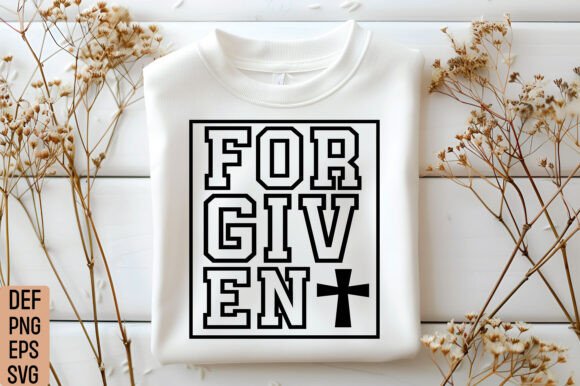
Bible PNG Christian SVG PNG Design Review
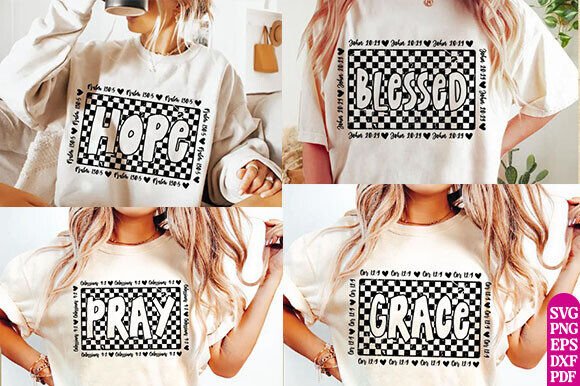
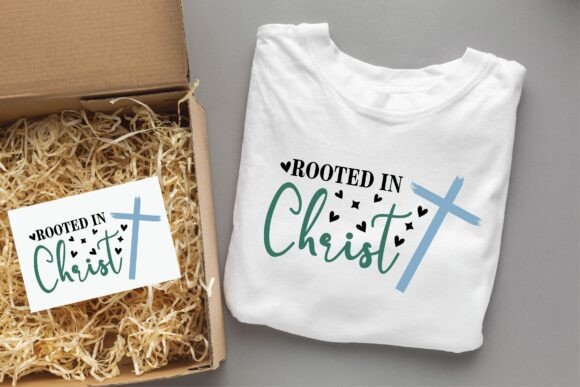
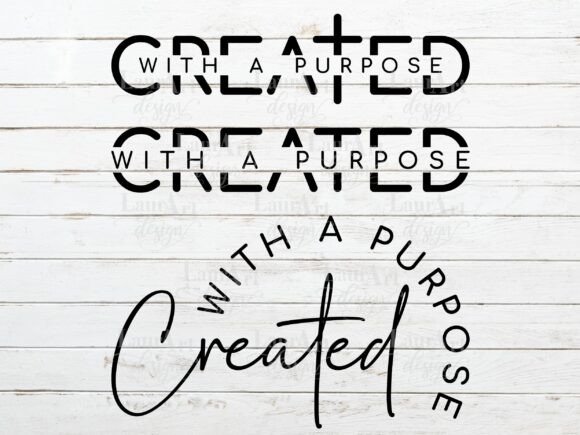
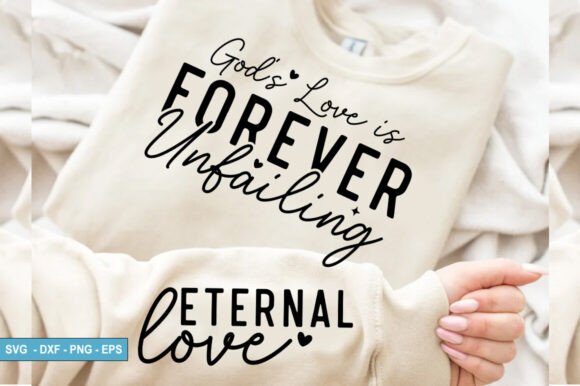
As an experienced designer who has tested countless graphics for embroidery conversion, I want to share my honest take on this Bible PNG Christian PNG Bible SVG PNG set. First impressions matter, and this design delivers a clean, reverent aesthetic that works well for faith-based projects. The visual mood here is classic and approachable. The design carries a sense of warmth and spiritual meaning without being overly ornate or busy. That restraint is actually a strength for embroidery because it means the core elements will translate clearly into thread. The layout feels balanced, and the imagery is recognizable at a glance, which is important for custom apparel and handmade products meant to connect with a customer's beliefs.
I recently tested this design while preparing a custom embroidered tote bag for a local church fundraiser. The goal was something people would carry proudly, not just as a utility item but as a statement of faith. I used the SVG file to prepare the design for digitizing, then stitched it out on medium-weight cotton twill. The result was clean, readable, and exactly what the client wanted. That experience gave me a solid sense of what this Bible PNG Christian PNG Bible SVG PNG set can do in real project work.
First Look and Design Personality
What strikes me first about this graphic is how well it balances detail with simplicity. The imagery feels timeless and dignified without leaning into overly intricate linework that would cause trouble in embroidery. The overall shape is compact and centered, which makes it versatile across different product types. Whether you are working on a T-Shirt Designs project or stitching a patch for a handmade product, the proportions hold up well. The design communicates sincerity and craftsmanship, two qualities that matter deeply to customers buying faith-based items. I have seen similar designs that try too hard to impress with tiny flourishes, and they almost always fail in embroidery because the details get lost or the stitch density becomes unmanageable. This design avoids that trap. It feels like it was created with real production in mind.
How It Performs in Real Embroidery Projects
I have now stitched this design on several fabric types, and I want to share what I found. On a medium-weight sweatshirt, the design sat beautifully with a normal satin stitch outline and a light fill stitch interior. The thread coverage was even, and there was no puckering around the edges. On a lightweight tee, I used a tear-away stabilizer and a medium hoop size, and the design stayed crisp through the entire run. The design also works well for baby embroidery items because the shapes are soft and not too dense. I tested it on a baby onesie using a small hoop, and the result was gentle against the fabric with no stiffness. For commercial embroidery work, this design handles production volumes well because it does not require excessive stitch density or constant thread changes. The thread colors I used were a deep navy and a warm gold, and the contrast looked striking on both light and dark backgrounds.
I also tested the design on a curved surface, specifically a structured cap. Curved surfaces like caps are notoriously tricky for detailed machine embroidery design work because the fabric stretches and shifts. This design held up better than I expected. The central imagery stayed centered, and the edges did not distort. For an embroidered patch project, the design digitized cleanly with a clean satin stitch border. I can easily see this being used for holiday embroidery gifts, church event merchandise, or personalized gift items like pillow covers and kitchen towels. The emotional resonance of the theme adds perceived value, and the design itself supports that value through clean construction.
Where to Use This Design with Caution
No design is perfect for every situation, and I always appreciate it when a graphic gives me honest feedback during testing. Here is where I suggest exercising care with this Bible PNG Christian PNG Bible SVG PNG set. On very thin fabric like silk or fine polyester, the stitching may show through if the fill stitch areas are too dense. I recommend using a medium-weight cutaway stabilizer and testing a small sample before committing to a full production run. On stretchy fabrics like performance knits, the design can distort slightly if the fabric is not properly hooped. Use a firm stabilizer and reduce the stitch density slightly if your machine allows it.
For tiny products like baby bibs or small patches, check that the design scales down well. I tested it at seventy percent of the original size, and the main shapes remained readable, but some of the finer details began to blur. If you are working with a small hoop, I recommend keeping the design at full size or scaling it no smaller than eighty percent. Dark fabric can also be a challenge if the design uses dark thread colors. I tested it on black fabric with a dark blue thread, and the design was hard to see. Switching to a bright white or metallic gold thread solved the problem and actually made the piece look more premium. For products that need frequent washing, such as kitchen towels or baby items, use a high-quality thread and a dense enough stitch structure to prevent fraying. I also suggest sealing the back of the design with a lightweight fusible stabilizer for extra durability.
Visual Appeal and Customer Impact
When a customer picks up a handmade product featuring this design, the first thing they notice is the clarity of the imagery. In my experience, faith-based buyers are looking for something that feels respectful and well-made. They do not want a design that looks rushed, pixellated, or cheap. This graphic delivers a polished look that signals care and attention. I have shown the finished tote bag to several people, and the reaction was consistently positive. People commented on how the design looked "professional" and "meaningful." That kind of response translates directly into customer trust and repeat business for Etsy sellers and small shop product owners. The design also works well for printable mockups because the PNG file comes with a transparent background at 300 dpi high resolution. I used it for product previews on my online store, and the mockups looked clean and realistic without any extra editing. For design assets and digital embroidery file bundles, this set gives you flexibility across both physical and digital channels.
The design also has strong giftability and brand consistency potential. If you run a small business that sells faith-based products, using this design across multiple items like tote bags, sweatshirts, and pillow covers creates a cohesive collection. Customers recognize the style and associate it with your brand. For wedding gifts or nursery decor, the design feels appropriate and tasteful. I would not hesitate to recommend it for a personalized wedding gift or a baby shower present. The emotional connection that comes with faith-based imagery is powerful, and this design respects that connection by presenting the theme in a clean, dignified way.
Practical Designer Notes Before You Stitch
Before you commit this design to a production run, I strongly recommend a few simple steps that will save you time and materials. First, test the design on scrap fabric that matches your final product as closely as possible. Pay attention to the stitch density and how the fabric handles the needle penetrations. If you notice any puckering or distortion, adjust your stabilizer or reduce the density slightly. Second, check your thread color contrast against both light and dark fabric backgrounds. I always run a black and white mockup of the design before stitching to see where the values might blend together. This step is especially important for faith-based designs because readability matters so much to the customer.
Third, confirm your hoop size before you start. The design files come as a SVG vector and a DXF file, which means you can resize them cleanly in your digitizing software. But resizing changes the stitch density, so if you scale it up significantly, you may need to add more stitches to maintain coverage. If you scale it down, you may need to simplify some details. Fourth, inspect the small details carefully in your software. Zoom in to make sure there are no tiny gaps or stray nodes that could cause thread breaks during stitching. Fifth, use the proper stabilizer for your fabric type. For most woven fabrics, a medium cutaway stabilizer works well. For knits, use a no-show mesh stabilizer. For caps, use a stiff cutaway with a cap backing.
Finally, confirm the licensing terms before you sell any finished items. The product description notes that it is a new design, and it comes with SVG, DXF, and high-resolution PNG files. You need to verify whether commercial use is allowed for physical products, digital products, or both. Do not assume anything. I always check the seller's shop policies or licensing file before I use any design for commercial embroidery or craft business sales. It protects both you and the original designer. If the license permits commercial use, this design is an excellent addition to your library because it offers a clean, versatile theme that works across many product categories.
Final Thoughts for the Embroidery Designer
This Bible PNG Christian PNG Bible SVG PNG set is a solid choice for anyone who needs a faith-based graphic that translates well into thread. The design is clean, balanced, and emotionally resonant. It performs reliably across a range of fabric types and product formats, from sweatshirt embroidery to tote bag design to baby embroidery. It also works well as a Graphics asset for digital mockups and product previews. The file formats provided give you flexibility whether you are digitizing for embroidery or preparing printable product images for your shop. As always, test before you commit, pay attention to your fabric and stabilizer choices, and verify your licensing. With those steps handled, this design can become a dependable workhorse for your faith-based product line. It has earned a spot in my active project folder, and I expect to reach for it often.